Lab-Grown vs Natural Diamonds
The honest comparison — including resale value, which matters if you are reading this page
Read guide 7 min
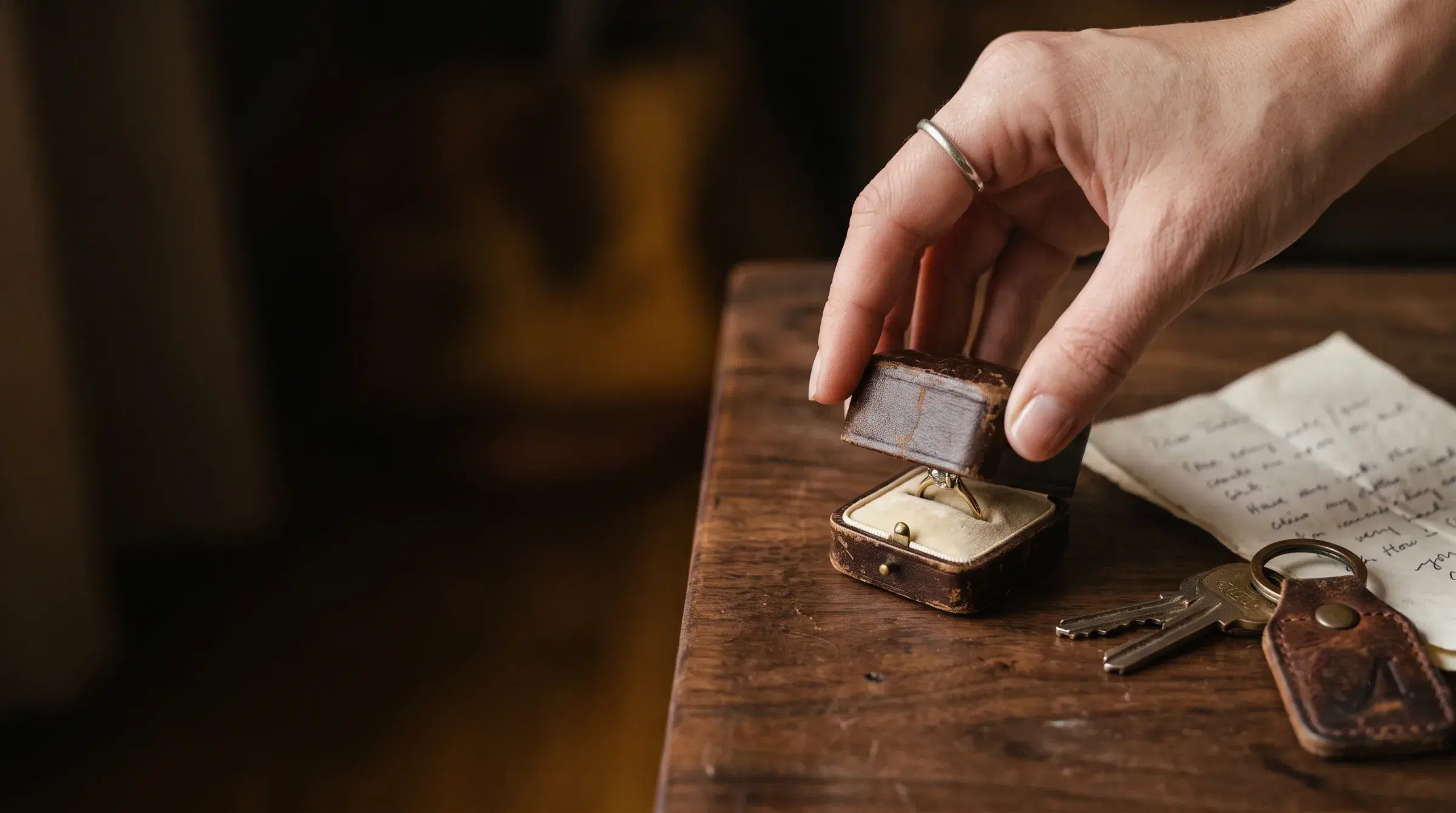
Selling your diamond ring
The honest guide to your options, what to realistically expect on price, and how to avoid getting a raw deal. No sugar-coating.
Set your expectations
We will be straight with you: diamonds are not an investment. They never were. The idea that a diamond "holds its value" is one of the most persistent myths in the jewellery world, and if you are reading this page, you may be discovering that firsthand.
A typical diamond ring resells for 30-60% of its original retail price. That is not a reflection of your diamond's quality or the jeweller you bought it from — it is the structure of the market. Retail prices include the jeweller's sourcing, craftsmanship, overhead, and margin. When you sell, you are selling back into the wholesale market, and the wholesale price is always lower than retail.
A ring purchased for £5,000 will typically resell for £1,500 to £3,000. A ring purchased for £10,000 might fetch £3,000 to £6,000. Higher-quality stones (better 4Cs grades) with GIA certification tend to sit at the higher end of that range. Uncertified stones or lesser-known lab certificates sit at the lower end — or below it.
Your options
Each channel has genuine trade-offs. The right one depends on your diamond's value, how quickly you need the money, and how much effort you are willing to put in.
Companies that specialise in buying pre-owned diamonds and jewellery. You typically submit your diamond's details online, receive an initial quote, post the stone via insured shipping, and receive a final offer after inspection. Payment is usually within a few days of acceptance.
Pros
Cons
For high-value pieces, auction houses like Christie's, Bonhams, or Sotheby's can achieve strong prices through competitive bidding. Regional auction houses handle lower-value pieces. The process involves consignment, cataloguing, and waiting for the right sale — typically 2-3 months start to finish.
Pros
Cons
Some jewellers buy pre-owned diamonds, either for resale or to use in new pieces. This is face-to-face, immediate, and straightforward — but jewellers need to make a margin when they resell, which means their offers are typically the lowest of all channels. If you are visiting Hatton Garden to sell, the same advice applies as when buying: visit at least three, get written quotes, and do not accept the first offer.
Pros
Cons
Selling directly to another individual — through classifieds, social media, or word of mouth. This gives the highest potential return because there is no middleman. But it requires significant effort: photography, listing, responding to enquiries, meeting potential buyers, and handling the transaction safely.
Pros
Cons
Some jewellers accept your existing diamond as part-payment toward a new purchase. This often gives you a better effective value than a straight sale, because the jeweller is making margin on the new piece rather than needing to profit on your old one. Only relevant if you are buying something new — but worth considering if you are upgrading or repurposing your diamond.
Pros
Cons
Platforms where you list your diamond for sale, similar to a classified ad but specifically for diamonds and jewellery. You set a price, potential buyers browse listings, and the platform typically handles some level of authentication or escrow. Wider reach than a private sale, but no guarantee of a buyer.
Pros
Cons
At a glance
A quick comparison to help you decide which route suits your situation.
| Channel | Typical return | Speed | Effort | Best for |
|---|---|---|---|---|
| Specialist buyer | 30-50% | 3-7 days | Low | Quick, hassle-free sale |
| Auction house | 40-70%* | 2-3 months | Low-medium | High-value pieces (£5,000+) |
| Jeweller | 20-40% | Same day | Low | Instant cash, face-to-face |
| Private sale | 50-70% | Days to months | High | Maximum return, patient seller |
| Trade-in | 40-60%** | Same day | Low | Upgrading or buying new |
| Online marketplace | 40-60% | Weeks to months | Medium | Wider reach, flexible timing |
* Auction return is before seller's commission (15-25%). ** Trade-in value is applied as credit toward a new purchase, not cash.
Know your position
Not every diamond resells equally. These are the factors that determine where your ring falls in that 30-60% range — or whether it falls outside it entirely.
A GIA-certified diamond commands a significantly higher resale price than an uncertified one. GIA is the most trusted lab globally. IGI is perfectly acceptable, especially for lab-grown. No certificate means any buyer is taking your word for the quality — and they will discount accordingly.
Just as when buying, cut grade matters most for resale. Excellent-cut diamonds are in higher demand. Colour and clarity affect the price, but cut is what makes a diamond desirable to the next buyer. Carat weight drives the headline number — larger stones retain a higher percentage of their value.
Diamond prices fluctuate with supply and demand. Natural diamond prices have been under pressure in recent years due to lab-grown competition. The time of year matters too — engagement season (November to February) sees higher demand. Check current wholesale prices before committing to a sale.
The original purchase receipt, certificate, valuation, and any warranty documentation all add credibility and value. If you bought from a well-known jeweller and can prove it, that helps. A complete paper trail gives the buyer confidence — which translates directly to a better offer.
This is the single biggest factor right now. Natural diamonds retain resale value (within the 30-60% range). Lab-grown diamonds currently have minimal resale value — read the section below for the full picture.
Round brilliant diamonds are the most liquid — they are the most popular shape and the easiest to resell. Fancy shapes (oval, pear, emerald, marquise) have a smaller buyer pool. Solitaire settings are easier to sell than complex multi-stone designs, because the buyer is primarily interested in the centre stone.
The difficult truth
We need to be direct about this. If you are trying to sell a lab-grown diamond, the news is not good.
Lab-grown diamond prices have fallen dramatically over the past few years as production technology has improved and supply has increased. A lab-grown diamond purchased for £2,000 two years ago might now sell for well under £200 — if you can find a buyer at all. Many specialist diamond buyers will not purchase lab-grown stones because the resale market is effectively non-existent.
This is not a criticism of lab-grown diamonds. They are physically, chemically, and optically identical to natural diamonds. They are a genuine option for buyers — which we discuss honestly in our lab-grown vs natural guide. But resale is one of the real trade-offs, and if you are holding a lab-grown diamond you want to sell, you should know the reality before you invest time in the process.
If you have a lab-grown diamond ring you no longer want, trade-in toward a new purchase is likely your best option — the jeweller gets value from the transaction through the new sale. A straight cash sale will almost certainly be disappointing. If the ring has sentimental value to someone else, a private gift or sale to a friend may be more practical than entering the commercial resale market.
Before you sell
Never sell without knowing what your diamond is worth. Here is how to establish a baseline before you approach any buyer.
If you have a GIA or IGI certificate, verify it online first. This confirms the specs you are selling against. If you have lost the certificate but know the report number, you can look it up on the lab's website. If you have no certificate at all, getting one from a gemological lab is an option — but it costs £100-£300 and takes time.
An independent valuer (not the person trying to buy your diamond) will assess your ring and provide a written valuation. This typically costs £50-£150. Make sure the valuation is for resale value, not insurance replacement value — these are very different numbers. Insurance valuations are inflated to cover full replacement cost and will not reflect what a buyer will actually pay.
Several services now offer AI-powered instant diamond valuations. You enter your diamond's specifications and receive an estimated resale value within minutes. These are not a substitute for a professional valuation, but they give you a useful ballpark figure before you commit to the full process — especially useful for deciding whether it is worth pursuing a sale at all.
This is the most important step. Approach at least three different buyers — whether specialist buyers, jewellers, or a mix — and get written quotes from each. The range between the lowest and highest offer can be significant. Never accept the first offer you receive. If a buyer tells you their offer is only valid "today," that is a red flag, not a reason to rush.
Protect yourself
Most diamond buyers are legitimate. But the resale market does attract its share of bad actors. Watch for these warning signs.
"This offer is only good today." A legitimate buyer will give you time to consider. If they pressure you to decide on the spot, they are counting on you not shopping around.
Any reputable buyer should be able to show you how they calculated their offer — which specs they assessed, what the current market rates are, and why they arrived at their number. If they just name a figure with no explanation, that is a problem.
If a buyer asks you to leave your diamond "for assessment" without offering a receipt, insurance coverage, or secure storage documentation, do not hand it over. Get everything in writing before your diamond leaves your possession.
If someone offers you 80-90% of what you paid, something is off. The wholesale-to-retail gap means this is virtually impossible in a legitimate transaction. An unrealistically high initial quote is often a tactic to get your diamond in hand, followed by a "revised" lower offer once you have already committed emotionally.
Selling in Hatton Garden
Hatton Garden is known for buying as well as selling. Several jewellers and specialist dealers in the area will assess and purchase pre-owned diamonds. But the advice is the same as when you are buying: do your homework first.
Visit at least three different jewellers and get written quotes from each. Do not accept the first offer. Do not leave your diamond with anyone without proper documentation. And go in knowing the approximate resale value of your stone — check your certificate, get an independent valuation, and have realistic expectations based on the 30-60% range.
If you are visiting Hatton Garden for the first time, read our visiting guide before you go — it covers the practical details of navigating the area, what to expect, and how to make the most of your trip whether you are buying or selling.
Whether you are selling, buying, or just doing your research — these guides will help.
The honest comparison — including resale value, which matters if you are reading this page
Your certificate is the most important document when selling. Here is how to read it
Cut, colour, clarity, carat — what each grade means for your diamond's resale price
Most diamond rings resell for 30-60% of the original retail price. The exact figure depends on the diamond's certification (GIA-certified stones fetch more), the 4Cs (cut grade matters most), whether you have the original paperwork, and current market conditions. Lab-grown diamonds currently have significantly lower resale value — often under 10% of the original purchase price.
It depends on your priorities. Specialist online diamond buyers offer convenience and fast payment. Auction houses suit high-value pieces (typically over £5,000). Private sale gives the highest return but takes time and effort. There is no single "best" option — the right channel depends on the value of your ring, how quickly you need the money, and how much effort you want to invest.
Yes — always. Get an independent valuation (not from the person trying to buy it) and at least three quotes from different buyers. An independent valuation typically costs £50-£150 and gives you a baseline to compare offers against. Some online services now offer instant AI-powered valuations which can give you a quick estimate before you commit to the full process.
You can, but the resale market for lab-grown diamonds is extremely limited. Because production costs have fallen dramatically, new lab-grown diamonds are now available for a fraction of what they cost even two or three years ago. This means pre-owned lab-grown diamonds have very little resale value. Most specialist buyers will not purchase lab-grown stones, and those who do will offer minimal amounts.
You don't need one, but it makes a significant difference. A GIA or IGI certificate independently verifies your diamond's specifications — without one, any buyer has to take your word for the quality, and they will price accordingly. If you have the certificate, keep it. If you have lost it, you may be able to get a replacement from the issuing lab using the report number. Some buyers will also accept a fresh independent appraisal.
Specialist diamond buyers typically make offers within 24-48 hours and pay within a week. Auction houses take 2-3 months from consignment to payment. Private sales vary wildly — it could take days or months depending on how competitive your price is and where you list it. Trade-in at a jeweller is usually instant if they agree to it.