Round Engagement Rings
Round gives you the most sparkle and never dates.
Read guide
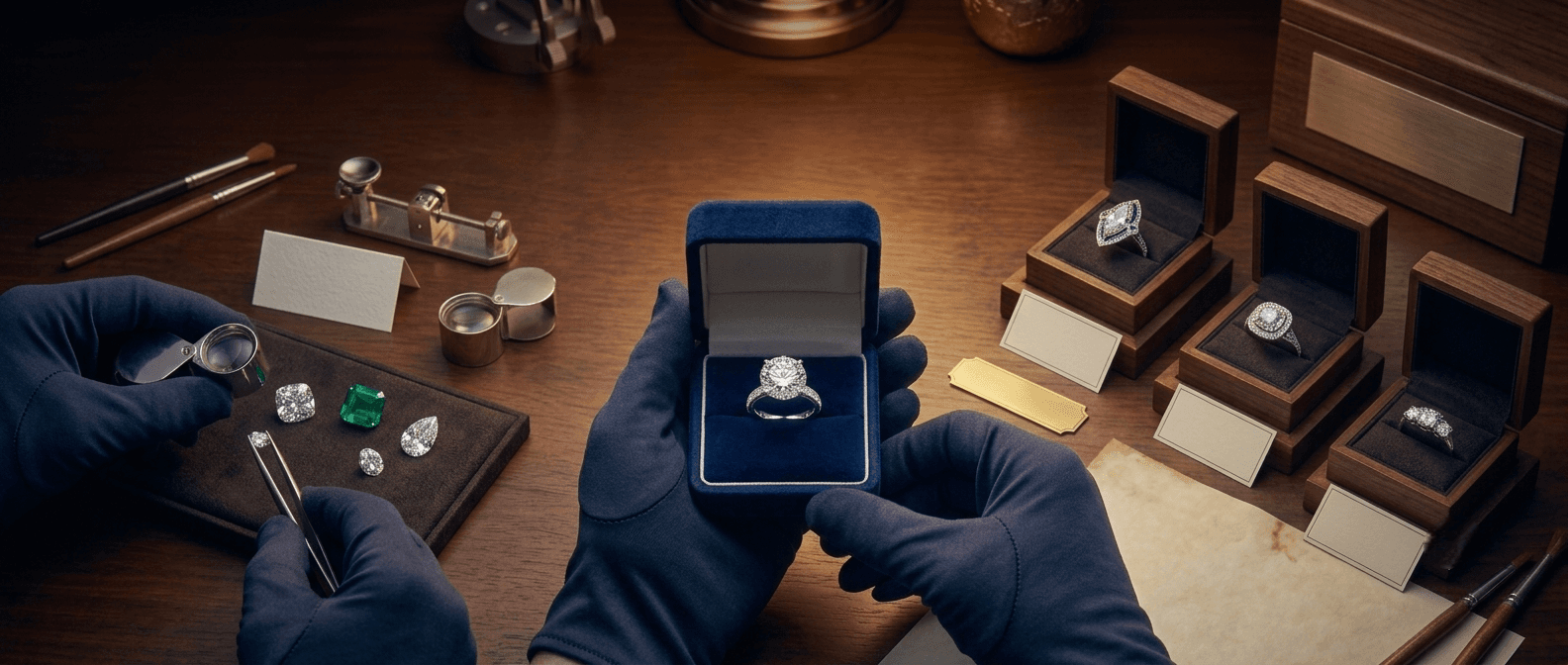
Engagement rings / Oval
Oval is the shape of the decade. It looks bigger than a round diamond of the same weight, it makes fingers look longer, and it costs less per carat. Here’s what it really costs and what to check before you buy one.
In short: An oval looks larger than a round of the same carat weight and costs less per carat. The trade-off is the “bow-tie”, a dark band across the middle that most ovals have. Pick one where it’s faint, and go a colour grade higher in white gold or platinum. A 1ct oval solitaire in 18ct white gold costs about £3,700–£5,350 natural, or £1,550–£2,750 lab-grown.
Size
Carat is weight, not size. Here's a 1ct oval drawn to scale against a 1ct round, and what each weight measures from above.
| Carat | Typical size |
|---|---|
| 0.5ct | 6.1 × 4.5mm |
| 0.7ct | 6.8 × 5.1mm |
| 1.0ct | 7.7 × 5.7mm |
| 1.5ct | 8.8 × 6.5mm |
| 2.0ct | 9.7 × 7.2mm |
Length-to-width ratio: 1.30–1.50. Around 1.35 is the classic look. Above 1.50 starts to look thin; below 1.30 looks almost round.
Prices
A solitaire in 18ct white gold with a certified F colour, VS2 clarity, well-cut oval diamond. Prices include the setting.
| Carat | Natural diamond | Lab-grown diamond |
|---|---|---|
| 0.5ct | £1,550–£2,300 | £800–£1,350 |
| 0.7ct | £2,300–£3,450 | £1,050–£1,900 |
| 1.0ct | £3,700–£5,350 | £1,550–£2,750 |
| 1.5ct | £7,000–£10,050 | £2,700–£4,850 |
| 2.0ct | £11,750–£17,600 | £4,350–£8,250 |
Why F and VS2? Long shapes show a hint of colour at the tips, so in white gold or platinum we suggest F rather than G. In yellow or rose gold, G or H is fine.
Platinum adds roughly £200–£300 to the setting. Lab-grown diamonds look identical but resell for much less. Our lab-grown vs natural guide covers the trade-off.
On the hand
Set lengthways, an oval draws the eye along the finger, so hands look slimmer and fingers longer. That’s a big part of why it took over from round.
A 1ct oval measures about 7.7 × 5.7mm. A 1ct round is about 6.4mm across. On the hand, the oval reads as the bigger stone.
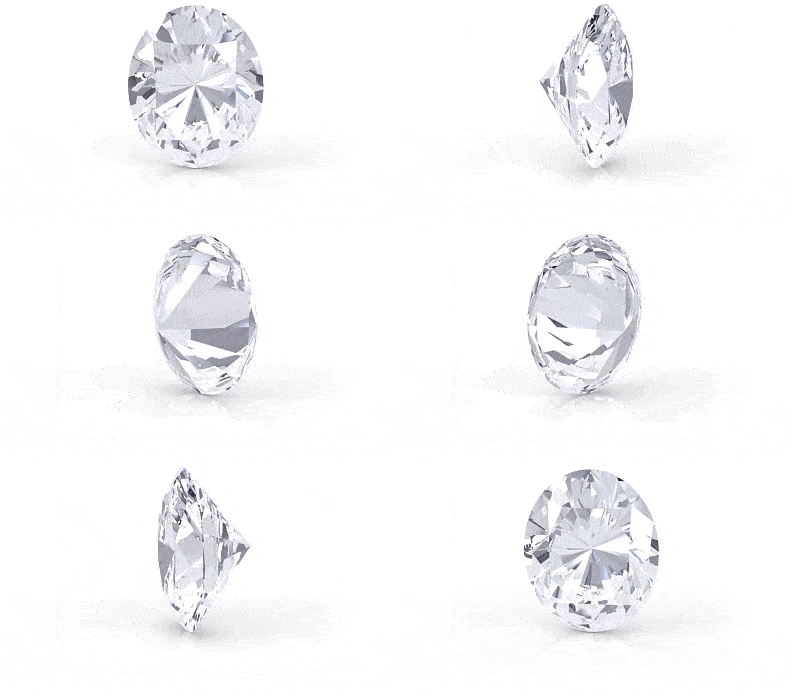
Ovals sparkle in a similar way to round diamonds, just less evenly. Some areas flash brightly, and many have a darker “bow-tie” across the middle.
Before you buy
Every diamond should come with a GIA or IGI report. Here's how to read one in 30 seconds.
Settings
Lets the shape do the work. The most popular way to wear an oval.
A thin line of small diamonds under the stone, visible from the side. Sparkle without changing the shape.
The oval set sideways across the finger. Less common, more modern, and it sits lower.
Where to look
Shape is the one thing you can't judge from a certificate, so you need to see real stones. A traditional shop window might hold a handful of ovals. Online-first jewellers give you thousands of certified oval diamonds to filter by size, ratio and price before you book a viewing, so your visit is for choosing, not searching.
MOH London's certified diamond search is a good place to start: filter for oval, compare certified stones side by side, then see your shortlist at their Hatton Garden consultation suite. Or compare every option in our independent jeweller reviews.
Or see every shape side by side in our diamond shapes guide.
In Hatton Garden, a 1ct oval solitaire in 18ct white gold typically costs £3,700–£5,350 with a natural diamond, or £1,550–£2,750 with a lab-grown diamond. That’s for F colour, VS2 clarity and a well-cut, certified stone.
About 7.7 × 5.7mm from above, for a stone of typical proportions. A 1 carat round is about 6.4mm across.
Yes. It’s the second most popular shape after round. It looks bigger than a round of the same weight, flatters most hands and costs less per carat. Check the bow-tie before you buy.
Yes. A 1ct oval is about 7.7 × 5.7mm, against about 6.4mm across for a 1ct round. The longer outline makes it look larger on the finger.